
Mercado de Teguise
Lanzarote
Every Sunday morning, the cobblestone streets of Teguise — the former capital of Lanzarote for over four centuries — transform into the largest and most lively market in the entire Canary Islands. More than 300 stalls invade the squares, alleys, and corners of this 15th-century stately village, creating a spectacle of colors, aromas, and sounds that attracts both locals and visitors.
A village with five centuries of history
Even before the market, Teguise is worth a visit. It was the capital of Lanzarote from the 15th century until 1852, and its streets preserve a notable architectural heritage: stately homes with wooden balconies, the church of Nuestra Señora de Guadalupe, the Convent of Santo Domingo (now an art center), and the palace of the Marquis. Strolling through Teguise is like traveling to noble Lanzarote, the land of feudal lords and watchtowers against pirates.
Crafts, flavors, and unexpected finds
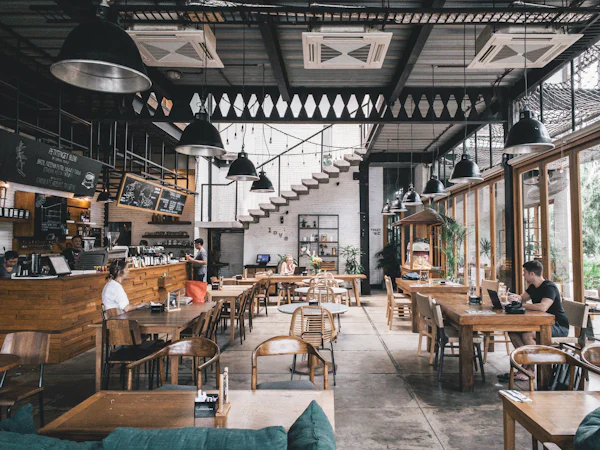
At the stalls, you'll find everything: Lanzarotean handcrafted ceramics, olivine jewelry (the semi-precious stone found only on volcanic beaches), linen clothing, hats, leather bags, and antiques. But the best are the local products: homemade mojo picón, cured cheeses, cactus jams, aloe vera in all its forms, and the island's traditional sweets.
Street musicians play the timple — the small Canarian string instrument — in every square. The atmosphere is festive yet relaxed, and the terraces of the bars and restaurants in the square fill up from early on. A cortado with views of the church of Guadalupe while a timple plays in the background: that's Sunday in Teguise.
The Castillo de Santa Bárbara
Above Teguise rises the Guanapay volcano, crowned by the Castillo de Santa Bárbara, a 16th-century fortress that today houses the Museum of Piracy. The walk up from the village takes about 20 minutes and offers panoramic views of the entire island. On market Sundays, it also opens its doors, and the combination of market and castle makes for a perfect morning experience.
Arrive early, from 9:00, to enjoy without crowds. At 11:00, tourist buses start filling the streets. Parking becomes tricky, so park on the outskirts and walk. The market closes around 14:00.
Teguise on Sundays is Lanzarote in its purest form: tradition, crafts, music, and local flavors in a setting with five centuries of history behind it.
LIVVO Tip: Arrive early to explore without the crowds.
More to see in Lanzarote
Timanfaya National Park

Timanfaya National Park
Over 50 km² of volcanic landscape shaped by the 1730–1736 eruptions. The Ruta de Los Volcanes winds through a sea of solidified lava with smoking craters where underground temperatures exceed 600°C. The geothermal demonstrations at Islote de Hilario are a must.
Papagayo Beaches

Papagayo Beaches
A cluster of pristine golden-sand coves with crystal-clear water in the south of the island, protected within the Monumento Natural de Los Ajaches. Playa Mujeres, Playa de la Cera and Playa de Papagayo are the best known. Calm waters ideal for snorkelling.
Jameos del Agua

Jameos del Agua
A unique space created by César Manrique inside a volcanic tunnel, where art and nature merge in a breathtaking setting. Highlights include its interior lake, the natural auditorium and the blind crab, an endemic species.
Surfing in Famara
Surfing in Famara
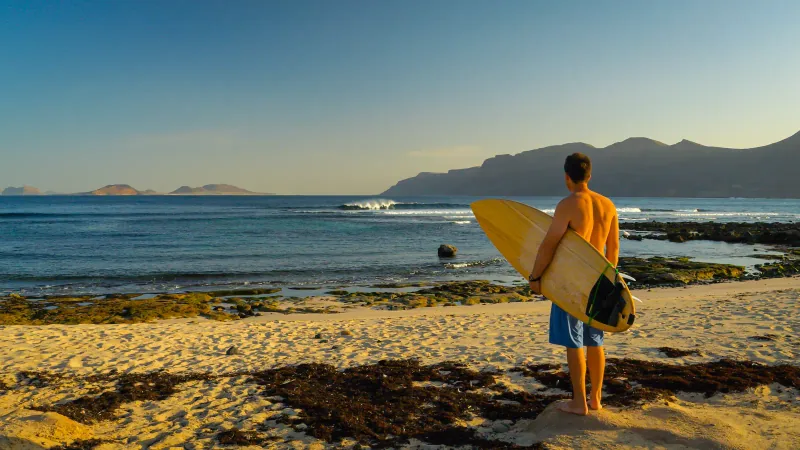
With over 6 km of sand and consistent waves for much of the year, suitable for both beginners and advanced surfers. The dramatic backdrop of the Risco de Famara and the laid-back village nearby make it one of the most authentic spots on the island.