
Lanzarote
The island like no other
Declared a UNESCO Biosphere Reserve, Lanzarote is one of the most unique destinations to visit in Spain, renowned for its volcanic landscapes shaped by eruptions that created an almost lunar environment. Timanfaya National Park, one of the most visited places in the Canary Islands, is the finest example of this nature in its raw state, where the earth still seems alive.
Beyond its volcanic origins, Lanzarote is defined by the harmony between landscape and culture. The work of César Manrique — present in spaces like Jameos del Agua, the Mirador del Río and the Jardín de Cactus — has made the island a benchmark for sustainable tourism and design integrated with nature. This balance sets it apart as one of the most distinctive destinations in the Canary Islands for those seeking more than sun and sand.
Its beaches are another major draw, from the renowned Papagayo coves, considered among the finest beaches in Lanzarote, to the wild coast of Famara, perfect for surfers and water-sports enthusiasts. With an average temperature of 22°C year-round, the island offers holidays in any season, combining relaxation, nature and adventure.
Lanzarote is also ideal for visitors looking to experience the Canary Islands beyond the obvious: routes across volcanoes, vineyards in La Geria, charming villages and gastronomic experiences rooted in local produce.
Climate
Average temperature 22°C year-round. Over 2,500 hours of sunshine annually.
Best time to visit
Year-round, especially spring (March–May) and autumn (September–November).
How to get there
César Manrique Airport (ACE). Direct flights from major European cities.
Discover Lanzarote
What to see and do

Timanfaya National Park
Over 50 km² of volcanic landscape shaped by the 1730–1736 eruptions. The Ruta de Los Volcanes winds through a sea of solidified lava with smoking craters where underground temperatures exceed 600°C. The geothermal demonstrations at Islote de Hilario are a must.
Go first thing in the morning to avoid queues at the entrance.

Papagayo Beaches
A cluster of pristine golden-sand coves with crystal-clear water in the south of the island, protected within the Monumento Natural de Los Ajaches. Playa Mujeres, Playa de la Cera and Playa de Papagayo are the best known. Calm waters ideal for snorkelling.
Bring water and food; there are few services in the area.

Jameos del Agua
A unique space created by César Manrique inside a volcanic tunnel, where art and nature merge in a breathtaking setting. Highlights include its interior lake, the natural auditorium and the blind crab, an endemic species.
Avoid peak hours to enjoy the setting in peace.
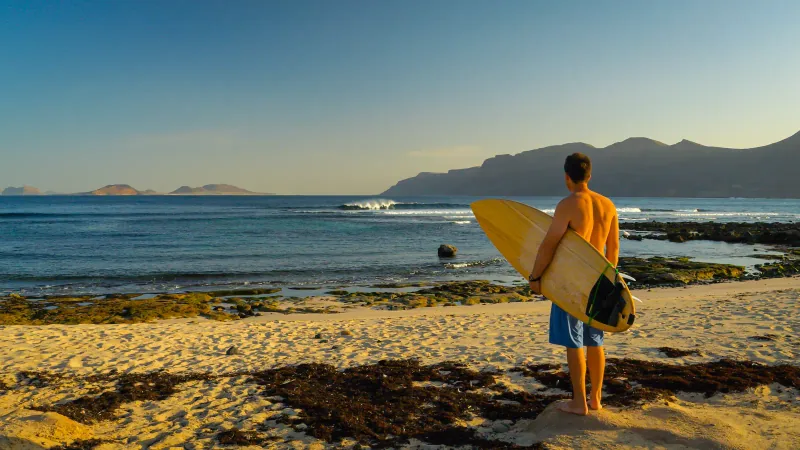
Surfing in Famara
With over 6 km of sand and consistent waves for much of the year, suitable for both beginners and advanced surfers. The dramatic backdrop of the Risco de Famara and the laid-back village nearby make it one of the most authentic spots on the island.
Even if you don't surf, it's worth a visit at sunset.
LIVVO Hotels
Hotel LIVVO Volcán Lanzarote
★★★★★ · Playa Blanca
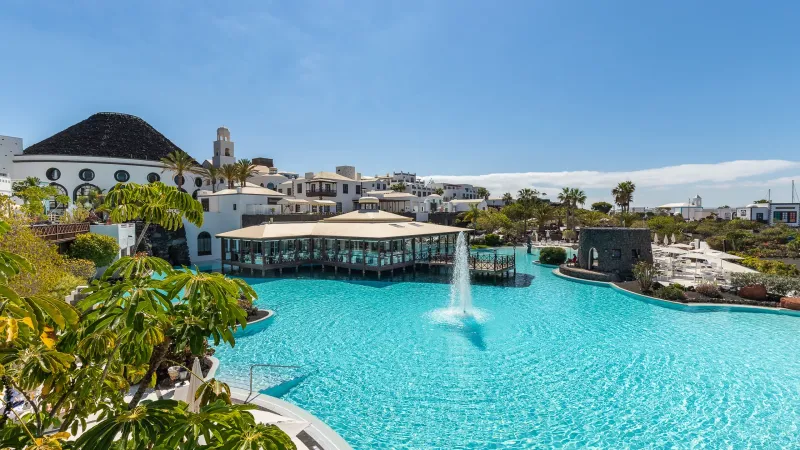 Biosphere
★★★★★ · Playa Blanca
Hotel LIVVO Volcán Lanzarote
Five-star resort designed as a typical Lanzarote village, next to Marina Rubicón. 251 rooms with the adults-only Club Volcán area, 5 pools, spa with thermal circuit, 24h gym, squash and a wide range of dining including buffet restaurant, à la carte and bars.
Hotel Mirador Papagayo by LIVVO
★★★★ · Playa Blanca
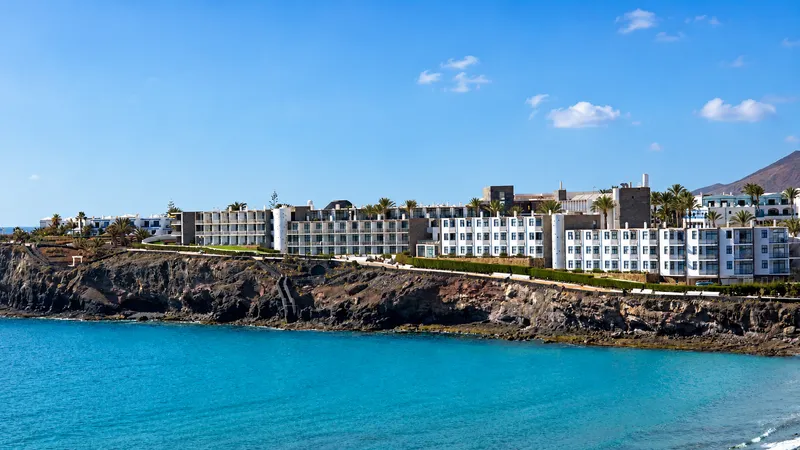
★★★★ · Playa Blanca
Hotel Mirador Papagayo by LIVVO
Located right next to Las Coloradas beach, designed for family or couples' holidays in Lanzarote.
LIVVO Apartments
Apartamentos LIVVO Coloradamar
★★★★ · Playa Blanca
 Biosphere
★★★★ · Playa Blanca
Apartamentos LIVVO Coloradamar
The four-star Apartamentos Coloradamar complex is perfectly located for visiting Lanzarote's most iconic spots. The apartments are built on different levels, each with its own space; from the Vistamar Plus Apartments you can glimpse Fuerteventura and the vastness of the Atlantic Ocean.
Apartamentos LIVVO Las Gaviotas
★★★ · Puerto del Carmen

★★★ · Puerto del Carmen
Apartamentos LIVVO Las Gaviotas
Apartamentos LIVVO Las Gaviotas surprises with its many wide open spaces and horizontal architecture, typical of Lanzarote. A complex of 119 apartments divided into six sectors, each with its own pool, connected by extensive green areas.
Apartamentos LIVVO Morromar
★★★ · Puerto del Carmen

★★★ · Puerto del Carmen
Apartamentos LIVVO Morromar
Apartamentos LIVVO Morromar are located in the Matagorda area of Lanzarote, five minutes from the beach. A family complex with the island's typical coastal architecture, where parents can relax and children enjoy the entertainment programme.
Apartamentos LIVVO Oasis
★★ · Puerto del Carmen

★★ · Puerto del Carmen
Apartamentos LIVVO Oasis
Apartamentos LIVVO Oasis are in Puerto del Carmen, Lanzarote's main tourist hub, just 300 metres from the beach and five minutes from the main avenue and shopping area. The bright complex features a pool with a children's section, solarium and landscaped area, offering a quiet atmosphere ideal for unwinding.
LIVVO Holiday Homes
Camelot Holiday Homes by LIVVO
Playa Blanca
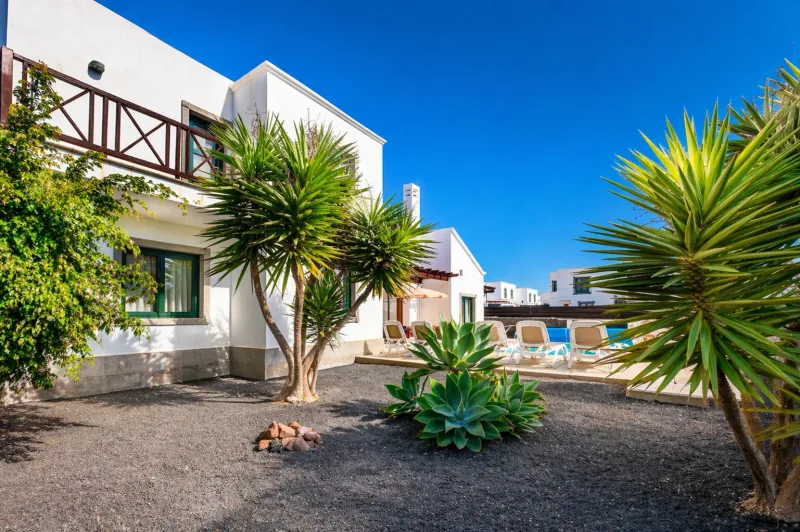
Playa Blanca
Camelot Holiday Homes by LIVVO
Camelot Holiday Homes by LIVVO are a true paradise in Playa Blanca. These elegant, luxurious apartments offer air conditioning, a private heatable pool and an impressive terrace. With three bedrooms and two full bathrooms, they are ideal for those seeking comfort and style. Each apartment is fully equipped with a kitchen, dishwasher, oven and washing machine. Strategically located near beautiful beaches such as Las Coloradas (1.1 km) and Playa de Mujeres (2.1 km).
Serena del Mar by LIVVO
Playa Blanca
Playa Blanca
Serena del Mar by LIVVO
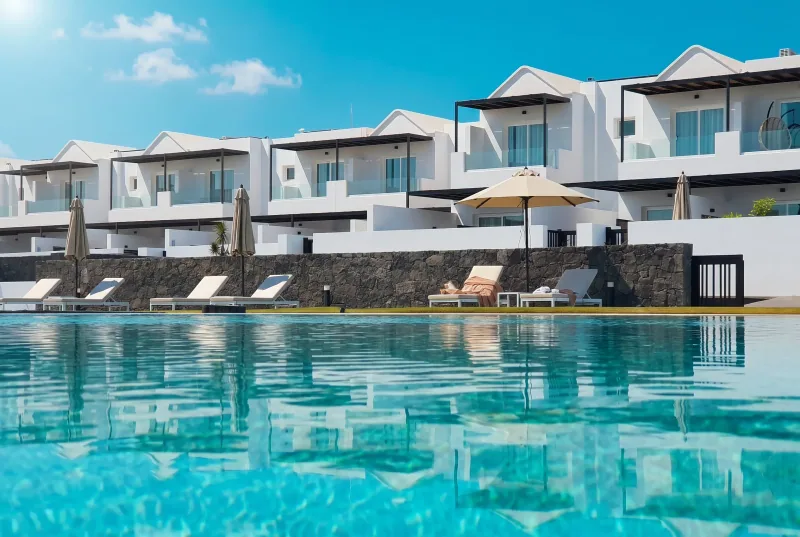
Serena del Mar by LIVVO, built in 2025, is on the island of Lanzarote in Playa Blanca, near the golden-sand beaches of Papagayo. The private development includes a communal area with infinity pool, solarium and concierge. The 33 villas stand out for their charm and well-proportioned layout, with a modern, simple aesthetic that integrates architecturally with the landscape.
Serena Holiday Homes by LIVVO
Playa Blanca
Playa Blanca
Serena Holiday Homes by LIVVO
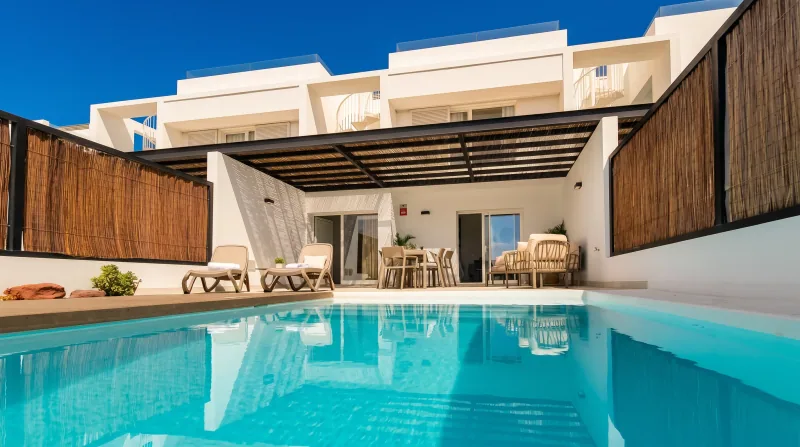
Serena Holiday Homes by LIVVO, built in May 2024, is on the island of Lanzarote in the Las Coloradas area of Playa Blanca, near the golden-sand beaches of Papagayo. The private development features a communal area with pool, solarium, services and pergola lounge. The villas are very spacious with a well-proportioned layout, modern aesthetic with clean lines and white walls, integrated with the landscape and the spirit of the island's traditional architecture.