What to see in Gran Canaria in 7 days: a complete island route
Gran Canaria has a reputation as a continent in miniature, and one week is enough to understand why. In just a few kilometres, the island shifts from dunes to pine forests, from urban beaches to deep ravines, from mountain villages to historic neighbourhoods next to the sea. Seven days let you cover it with balance, combining rest, culture, nature and gastronomy.
Day 1: Las Palmas de Gran Canaria
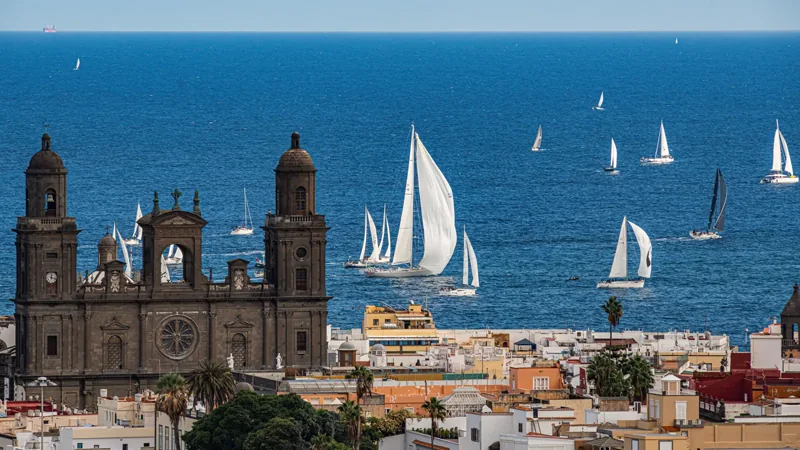
The capital deserves at least a full day. The Vegueta neighbourhood lets you travel back to the historic origin of the city, with cobblestone streets, colonial architecture and squares full of life. Afterwards, Playa de Las Canteras offers one of the best urban experiences in the Canary Islands: swimming, walking along the promenade and ending the day with dinner facing the Atlantic.
Day 2: Maspalomas and the south
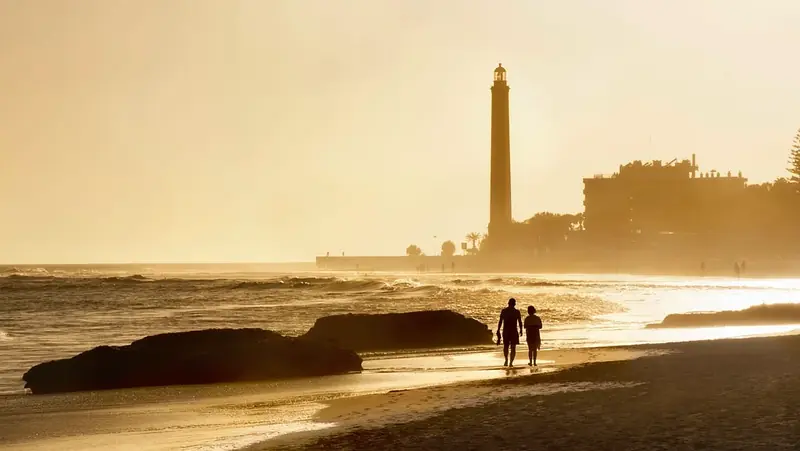
The second day can focus on Maspalomas, one of the great icons of the island. Its dunes form a protected and ever-shifting landscape, especially beautiful at sunrise or sunset. The day can continue through Meloneras, Playa del Inglés or some quiet beach in the south.
Day 3: Puerto de Mogán and the southwest coast
Puerto de Mogán combines marina, white houses, bougainvillea and a very photogenic atmosphere. It is perfect for a more relaxed day, with a stroll, a meal by the sea and a swim on the southwest coast. The road between ravines and cliffs adds to the beauty of the journey.
Day 4: Roque Nublo and the highlands
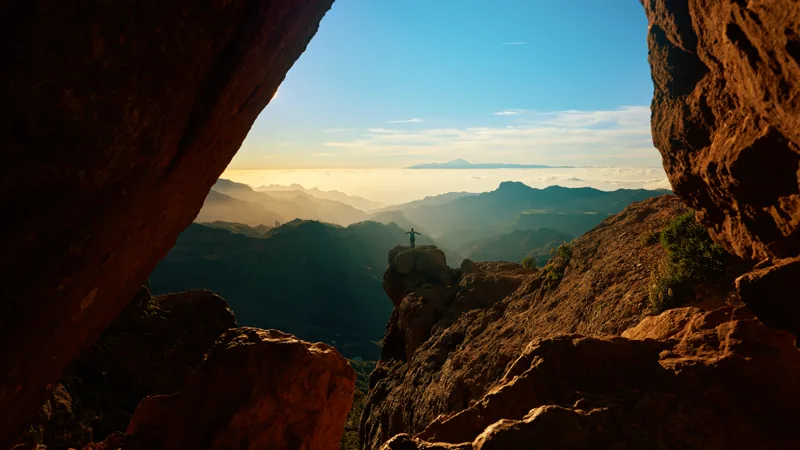
The interior of Gran Canaria completely changes the image of the island. The route to Roque Nublo lets you enter mountain landscapes, pine forests and viewpoints. On clear days, the views even reach Teide. It's worth booking ahead if the access system requires it and bringing comfortable footwear.
Day 5: inland villages
Tejeda, Artenara or Teror show a more traditional Gran Canaria. Houses with balconies, typical sweets, markets and views over ravines are part of a perfect day to understand the inland life of the island.
Day 6: recommended beaches
Amadores, Anfi, Las Canteras or Maspalomas can fill a day devoted to the sea. The choice depends on whether you're looking for services, calm waters, atmosphere or scenery.
Day 7: a flexible route
It's best to keep the last day open: return to the beach, visit a viewpoint you missed or go back to Las Palmas. Gran Canaria has that virtue: it always leaves something for the next visit.
Frequently asked questions
Yes. Gran Canaria is known as a miniature continent and a week is enough to understand why: within a few kilometres it goes from dunes to pine forests, from urban beaches to deep ravines and from mountain villages to historic seaside quarters. Seven days let you tour it with balance.
The capital, Las Palmas de Gran Canaria, deserves at least a full day. The Vegueta quarter takes you to the city's historic origins, with cobbled streets and colonial architecture, and Las Canteras beach offers one of the best urban experiences in the Canaries to end the day facing the Atlantic.
Yes. The interior completely changes the island's image. The route towards Roque Nublo takes you into mountain landscapes, pine forests and viewpoints, and on clear days the views even reach Teide. It's worth booking ahead if the access system requires it and wearing comfortable footwear.
Tejeda, Artenara or Teror show a more traditional Gran Canaria, with balconied houses, typical sweets, markets and views over ravines. They make a perfect day for understanding the island's inner life, beyond the coast.
Related articles
South or north Gran Canaria: which area to stay in
South or north Gran Canaria: which area to stay in
We compare the south and north of Gran Canaria by climate, beaches, accommodation, atmosphere, nature and trip type.
The best plans in Gran Canaria: nature, beach, villages and food
The best plans in Gran Canaria: nature, beach, villages and food
Discover the best plans in Gran Canaria: dunes, beaches, summit routes, charming villages, viewpoints, gastronomy and city escapes.